Categories
Blogs Preschool

How Thoughtful Praise Helps Preschoolers Build Confidence

Teachers who spend their days with young children notice something most people overlook. The smallest moments often change the direction of a child’s day. A teacher leaning in to watch a child try again. 

A gentle comment at the right time. A smile that says, “I saw how hard you worked.” These quiet interactions help children feel steady. They help them feel seen.

Preschoolers face challenges constantly. A toy tower falls the moment they look away. A paintbrush rolls under the table. A zipper refuses to cooperate even after five tries. 

When an adult offers genuine praise in these moments, children feel supported. They gain the confidence to try again instead of giving up or feeling embarrassed. Praise, when used thoughtfully, becomes a soft anchor that helps them stay calm and willing to learn.

The Different Ways Children Take in Praise

Not all types of praise feel the same to young children. What adults say matters, and the tone matters just as much.

Praise focused on traits

When children hear comments like “You’re so smart,” they may enjoy it for a moment. But soon, many start feeling pressure to keep proving something. 

If they run into something difficult, they worry the adult might change their mind. This kind of trait-focused praise can unintentionally make children hide mistakes or avoid new challenges.

Praise focused on effort

When adults notice the work a child puts in, the message feels different. A teacher might say, “You kept trying even though it was tricky.” 

This tells the child that their effort has value. It reminds them that improvement comes from practice, not perfection. Children respond strongly to this because it highlights something they can control.

Praise that names the behavior

Specific comments help children understand exactly what the adult appreciated. 

“You helped your friend clean up.” “You waited for your turn.” “You put the pieces back where they belong.” This kind of praise gives children a clear picture of what went well, so they know how to repeat it.

How Teachers Use Praise Throughout the Preschool Day

In preschool and childcare settings, praise works best when it feels natural. It doesn’t need to be loud or dramatic. In fact, the softest comments often make the biggest difference.

Keeping words simple

Teachers often say short, clear things that fit neatly into the moment. “You listened right away.” “You carried that carefully.” These comments are easy for children to understand and hold onto.

Noticing small steps

Growth in early childhood is subtle. A child who hesitated to join group play last week may take one small step forward today. A child who avoided puzzles might try one piece. 

Teachers point these moments out quietly. “You started that on your own.” “You gave it another try.” These reminders help children see their own progress.

Staying sincere

Children pick up on tone immediately. If praise feels exaggerated or constant, it loses meaning. When praise is honest, children trust it. They know the adult really noticed their effort.

Respecting each child’s comfort

Some children beam when they hear praise in front of the group. Others look down or pull back. Teachers learn what each child prefers. 

A soft comment whispered during play can mean more to one child than a big celebration ever would.

Why Balance Matters in Preschool Settings

Praise plays an important role in helping young children grow, but it works best when paired with clear routines and calm expectations. Preschool and childcare programs rely on structure so children feel safe. 

When the day flows gently and predictably, praise becomes a natural part of the environment instead of the only tool adults rely on. It supports confidence, but routines support stability.

Discovery Village and Its Approach to Encouragement

Discovery Village is a popular choice for Westchester families seeking a nurturing preschool or daycare where encouragement is incorporated into daily activities. Teachers see effort. They celebrate progress quietly. They help children feel comfortable trying things at their own pace.

At Discovery Village, praise is not used to push children. It is used to reassure them. The goal is simple: help each child feel confident enough to explore, learn, and grow in a way that feels right for them.

Frequently Asked Questions

How does praise support young children ?

Praise helps children recognize their progress. When adults point out effort or kind behavior, children understand exactly what they are doing well and feel more confident trying new challenges.

How often should teachers use praise ?

Praise works best when it fits naturally into the moment. It does not need to be constant. Short, sincere comments during the day usually make the strongest impact.

Why is effort-based praise so helpful ?

Effort-based praise teaches children the value of practice. Instead of worrying about being perfect, children learn that trying again is part of learning.

Categories
Blogs daycare

Health, Safety, and Attachment Practices in Infant Daycare in Tarrytown 

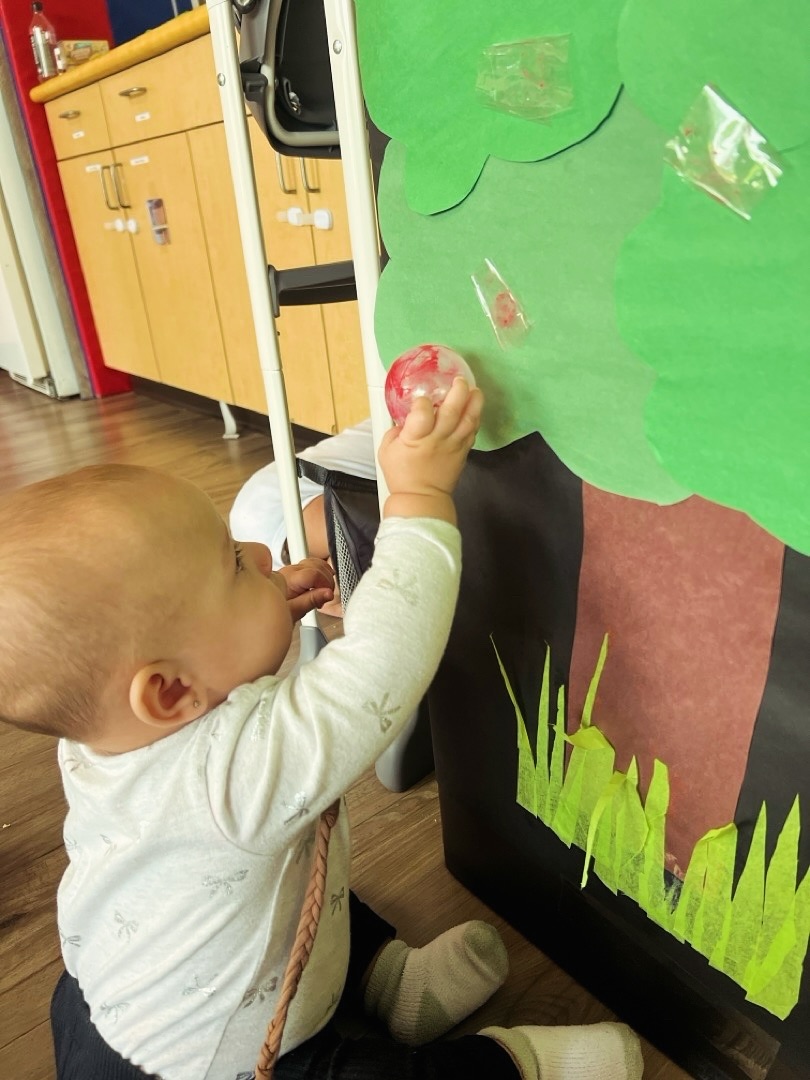
When families start looking into infant daycare in Tarrytown, the questions usually come quickly. Who will hold my baby? How will they know what my baby needs? What happens when my child cries and I am not there?

In a strong early childcare center in Tarrytown, these questions guide the way care is given. Infant care is not about managing a schedule. It is about noticing small signals and responding with calm, steady attention.

Everyday Health and Safety Routines

We focus first on creating a safe, clean, predictable space. 

Infant rooms stay simple, and follow infants’ individualized schedules.

  • Toys are washed often. 

  • Floors and surfaces are checked throughout the day. 

  • Feeding areas and diaper stations are cleaned carefully between each use.

  • Safe sleep practices are followed every time. 

  • Infants are placed down gently and monitored closely. 

  • Bottles and food are handled with care and labeled clearly.

In an infant daycare in Tarrytown, these routines help babies relax. When the environment feels steady, infants spend less time startled and more time settling into their day.

Attachment Happens in Small Moments

Attachment forms during regular care.

We respond when a baby cries. We slow down during feedings. We talk softly during diaper changes. These moments repeat many times a day, and babies connect with the people caring for them.

In our early childhood program in Tarrytown, we watch for cues. Some babies want to be held longer. Some want space to move. Paying attention to these differences helps infants feel understood.

Why Consistent Routines Matter

Babies notice patterns. When feeding, rest, and play happen in a familiar order, infants feel less stress.

We stay flexible while keeping the flow of the day familiar. That balance helps babies feel safe enough to explore when they are ready.

This approach is a core part of how an early childcare center in Tarrytown supports emotional development.

Working With Families

Families share important details about their child’s habits. Sleep changes. Feeding preferences. Comfort needs.

We use this data to modify care so that babies receive consistent treatment at home and at daycare. When communication stays open, babies benefit the most.

A Supportive Option for Tarrytown Families

Discovery Village offers infant care grounded in calm routines and responsive relationships. Parents looking for an infant daycare in Tarrytown will find an early childhood environment where safety, trust, and connection shape each day.

Frequently Asked Questions

How do infants feel secure in daycare?

They feel secure when caregivers respond consistently and handle care moments calmly.

Can babies form attachments in daycare?

Yes. Attachment grows through repeated, caring interactions with familiar adults.

What makes routines crucial for babies?

Babies feel safer and less nervous when they follow daily routines.

Categories
Preschool

Active Listening Activities That Help Young Children Communicate With Confidence

Children pick up listening skills long before anyone teaches them how to “be a good listener.” Most of the learning happens in small, everyday moments, like when a teacher kneels beside a child to talk about their drawing, when two children trade ideas in the block area, or when a caregiver softly repeats a phrase during story time. Listening grows slowly, but the right environment makes it easier.

In preschool and childcare settings, active listening isn’t a formal lesson. It develops through routines that feel steady and interactions that feel warm. When children know they are being heard, they naturally begin paying more attention to others.

What Active Listening Really Means for Young Children

For young children, active listening looks simple. A child makes eye contact for a few seconds, repeats a word they’ve heard, asks a small question, or pauses long enough to process what someone else said. These tiny behaviors show that the child is not just hearing words but making sense of them.

In a preschool classroom, active listening usually happens during gentle conversations. A teacher might describe what a child is building, and the child answers with their own idea. During snack, children notice what others are doing and respond. These everyday exchanges slowly strengthen how they listen and how they speak.

Why Listening Skills Matter So Much

Good listening skills support nearly every part of a child’s growth. Children who listen well often settle into routines more smoothly. They understand directions, join group play more comfortably, and respond with more confidence when it’s their turn to talk.

Strong listening in preschool often leads to:

  • clearer communication,

  • early problem-solving,

  • better social relationships,

  • improved attention during learning activities,

  • stronger emotional understanding.

Children also learn a great deal about empathy through listening. They begin to notice tone, facial expressions, and the feelings behind words. This helps them respond gently to others, especially when a friend is upset or frustrated.

Activities That Encourage Listening in Simple, Natural Ways

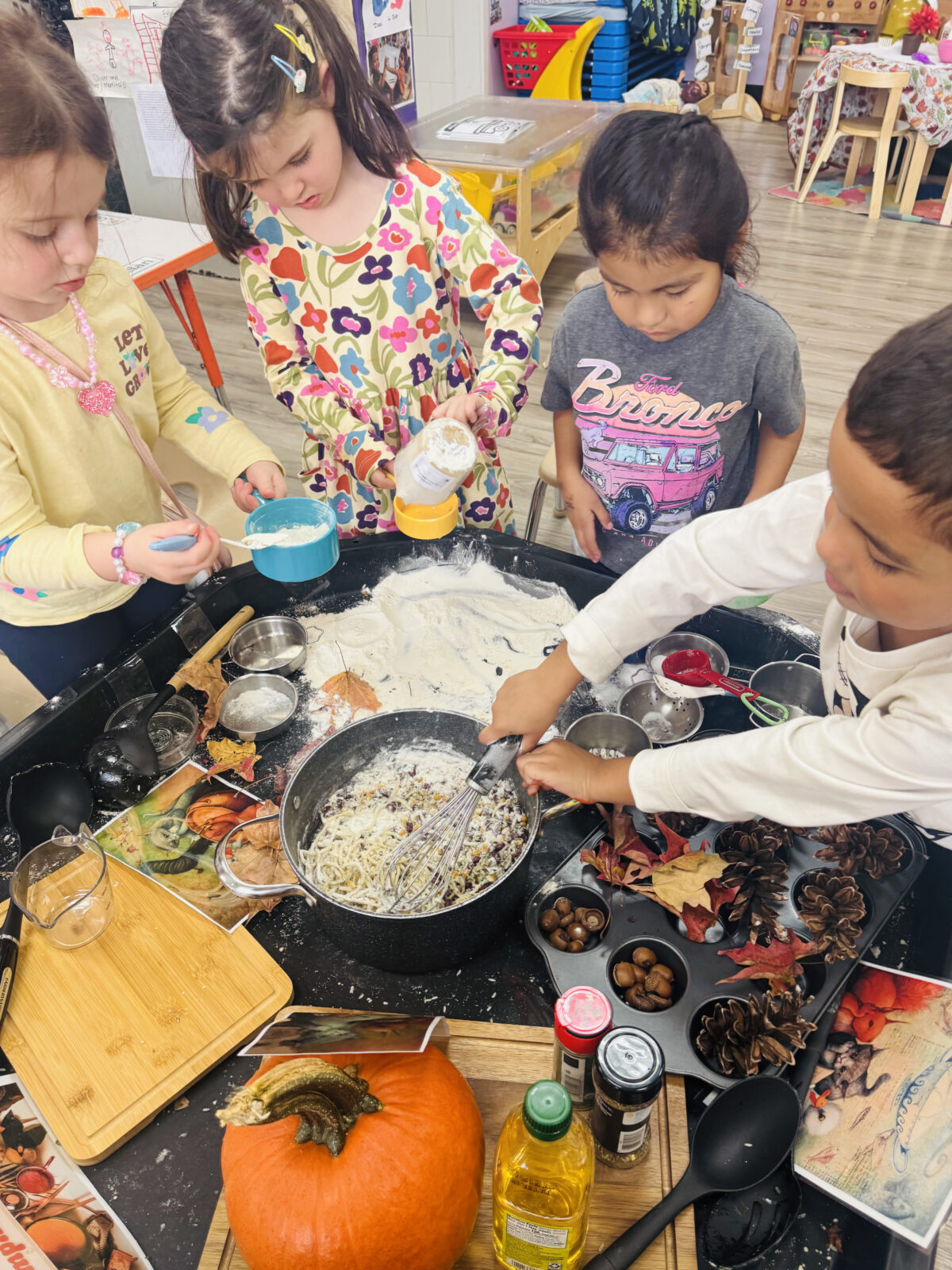
Listening grows best when activities are short, playful, and matched to the child’s age. These ideas blend easily into a preschool or childcare day.

1. Short “echo” moments

Adults say a simple phrase, and the child repeats it. Not as a test, just as a playful back-and-forth. When the adult changes the pace or makes the phrase silly, children stay engaged and listen more closely.

2. Talking through picture books

Most preschoolers enjoy pointing at pictures, describing what they see, and guessing what might happen. When adults slow down and ask open questions, children listen longer and connect the story with their own thoughts.

3. One-step and two-step directions

A child may be asked to place a puzzle on a shelf or bring a cup to the table. When they are ready, the adult adds a second step. These everyday tasks gently strengthen memory and attention.

4. Sound games

Clapping patterns, tapping on the table, or shaking a small instrument help children listen for differences in rhythm. These games help build early language and auditory awareness.

5. Partner sharing

Kids sit with a friend and alternately discuss a small topic, such as a picture from home, a favorite snack, or something they built. It provides them with an opportunity to talk and listen in a straightforward, cozy environment.

6. Movement listening

Games like “freeze when the music stops” or “move when you hear the soft drum” keep children active while helping them pay closer attention to sound cues.

How Listening Skills Grow as Children Get Older

Listening skills do not grow all at once. They build quietly as children experience new situations.

  • Toddlers begin responding to names, following very short directions, and turning toward voices.

  • Preschoolers start asking questions, joining group conversations, and handling two-step instructions.

  • Early school-age children can summarize ideas, recall story details, and notice the emotions behind someone’s words.

These ages are not rules. Some children grow faster in one area and slower in another. What matters most is that they are given time and patience.

Some Common Listening Challenges

Some kids are easily distracted. Noise overwhelms others. Some people require more time to reflect before responding. These difficulties are typical in daycare centers.

Adults can help by:

  • slowing their pace,

  • using short sentences,

  • pointing, gesturing, or showing a picture,

  • reducing background noise,

  • repeating information calmly.

  • When the surroundings feel stable, children make progress. When they don’t feel hurried or under pressure, listening becomes easier.

Discovery Village: Helping Children Strengthen Listening Through Warm, Everyday Experiences

Discovery Village welcomes families from Sleepy Hollow who want a preschool setting that treats listening as a natural part of early learning. Our childcare program builds communication through stories, conversations, movement games, and quiet moments where children feel safe expressing themselves.

Teachers guide children gently to improve their listening skills at a pace that feels right for them. This helps every child develop socially, emotionally, and intellectually by maintaining consistent routines and warm interactions.

Frequently Asked Questions

How can I encourage my kids to practice listening at home?

Simple routines such as reading aloud to each other, providing brief instructions while playing, and having quiet conversations while eating or driving are beneficial.

Why can’t my preschooler always follow directions?

Young children generally need extra processing time. Breaking directions into one or two small steps usually helps.

Do listening exercises help in learning a language?

Yes. When children listen closely, they learn new words, understand sentence patterns, and speak with more confidence

Categories
daycare

How to Create a Positive Learning Environment in Early Childhood

Children learn best in places where they feel steady, welcomed, and understood. A calm, warm setting helps them try new things without fear of being wrong. In early childhood classrooms, the atmosphere shapes almost everything: how children interact, how they handle frustration, and even how willing they are to speak up. 

A positive learning environment is something that forms over time through habits, routines, and gentle teaching.

What Makes a Learning Environment “Positive”?

A positive environment in early childhood education is one where children feel safe and listened to. It is built on steady routines, predictable expectations, and warm relationships. When young learners can trust the adults in the room, they settle into their day much more easily. They take more chances. They communicate more. They join group activities without hesitation.

These environments generally share a few qualities:

• Children are noticed for their effort, not only their results.

• Families feel included and respected.

• Teachers use calm voices and clear expectations.

• The room is set up so children can move, explore, and make choices.

• Mistakes are treated as chances to learn, not moments to scold.

The goal is not perfection. The goal is a space where children feel supported and ready for what comes next.

Why a Positive Environment Matters

Children thrive when the classroom feels consistent. They follow routines more easily. Their confidence grows. They start to develop early problem-solving and communication skills. In a calm and predictable setting, children spend more time investigating the materials surrounding them and less time speculating about what might happen next.

Research in early childhood education often highlights this simple truth: when children feel safe, they learn more. Their language skills improve, they show longer attention spans, and they participate more actively in group play. 

Even socially, the difference is noticeable. A steady environment helps children practice empathy, cooperation, and gentle conflict resolution through everyday interactions.

Building Strong Relationships with Families

A positive classroom extends beyond the walls of the preschool. Teachers who improve communication with families foster a stronger sense of community. 

When families feel included, they share important details about their child’s interests, routines, and temperament. This makes it simpler for educators to provide the appropriate level of assistance.

Small gestures go a long way. A warm greeting at drop-off, a short note at the end of the day, or a quick conversation about something a child enjoyed – these tiny touches build trust. Children experience a sense of belonging when families are connected to the classroom.

Clear Rules and Gentle Guidance

Young learners often need help understanding what behavior is expected. Clear rules keep the day predictable. Instead of long lists of “don’ts,” many teachers choose simple, positive rules like:

• Be kind with hands and words,

• Take care of our space,

• Listen when someone is speaking.

When rules stay the same from day to day, children feel steadier. They know how to meet expectations and what will happen next.

Gentle guidance also matters. When emotions rise, and they do, often, the way an adult responds can calm a moment or escalate it. A soft voice, a simple reminder, or a little help naming the feeling (“It looks like you’re frustrated”) can settle the situation quickly. 

Children learn from what is modeled for them. When adults stay calm, children learn how to stay calm too.

Helping Children Navigate Big Feelings

Preschoolers experience strong emotions in short bursts. Some need help separating from a parent. Others find it difficult when a turn is over or a toy is taken. A supportive environment makes room for these moments.

Teachers often:

• acknowledge feelings (“I see that upset you”).

• offer simple choices.

• model breathing or calming strategies.

• guide children through conflicts step by step.

When their feelings are acknowledged instead of dismissed, children feel understood. Over time, this sets the foundation for better self-control and empathy.

Setting Up the Classroom for Success

A well-arranged room quietly manages behavior before issues even arise. Clear shelves, visible materials, and labeled bins give children independence. A cozy corner helps children take a break when they are feeling overwhelmed. Tables with simple activities invite exploration without chaos.

Predictable routines help a lot too. Children settle in better when they know about the daily routine, like playtime, cleanup, snacking, and outdoor time. Many preschool classrooms use songs or visual cues to signal transitions. These small habits keep the day moving without stress.

Using Positive Reinforcement

Positive reinforcement helps children build self-esteem. A child learns that their hard work matters when teachers observe effort, such as when they try a new puzzle, share materials, or clean up carefully. 

Positive reinforcement doesn’t need to be loud or elaborate. A child can often feel proud with just a silent acknowledgement.

This approach also reduces challenging behavior. When children hear more about what they’re doing well, they naturally repeat those actions.

Encouraging Development with Consistency

Instead of using one-time tactics, a positive learning environment is created through consistent, deliberate decisions. Warm relationships, predictability, and empathy create a classroom where children feel free to take risks, try new skills, and develop confidence that follows them beyond preschool.

Discovery Village: A Supportive Early Learning Community

Discovery Village welcomes families from Sleepy Hollow who want a preschool setting grounded in strong early childhood education practices. Teachers focus on steady routines, warm interactions, and meaningful play so children feel secure as they learn. 

The center weaves community, communication, and gentle guidance into each day, giving young learners room to grow socially, emotionally, and academically at a pace that feels natural and comforting.